
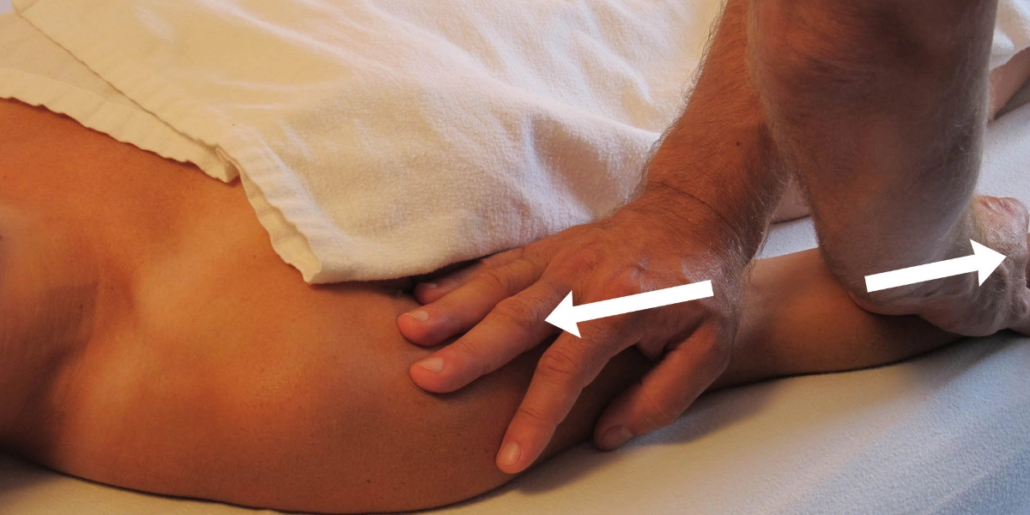
How to Integrate Myofascial Release into a Massage Session
When should myofascial release be used in a massage session?
Myofascial release can be used at multiple points within a massage session. Many practitioners begin with gentle myofascial techniques to address superficial restrictions and prepare the tissue for deeper work.
It can also be applied mid-session to address specific areas of restriction or at the end of a session to integrate the work and calm the nervous system.
Can myofascial release be combined with deep tissue massage?
Yes. Myofascial release is often used alongside deep tissue massage to improve effectiveness. Addressing fascial restrictions first can reduce resistance, allowing deeper techniques to be applied with less effort and discomfort.
This combination often produces better results than force-based work alone.
How does myofascial release affect session flow?
Because myofascial techniques are slower and more sustained, they influence pacing and sequencing. Practitioners often alternate between myofascial release and other techniques to maintain balance and client comfort.
Using myofascial release strategically can reduce the need to repeatedly work the same area.
How does myofascial release support postural change?
Fascial restrictions often contribute to postural imbalances by limiting movement along specific lines of tension. Myofascial release helps restore adaptability within these lines, making postural change more sustainable.
This is especially useful when working with chronic patterns that do not respond to isolated muscle work.
Ending a session with myofascial release
Slower myofascial techniques are frequently used at the end of a session to integrate structural changes and support nervous system regulation. This helps clients leave feeling grounded rather than overstimulated.
Learning effective integration
Effective integration requires understanding when to apply myofascial techniques, how long to hold them, and how they interact with other modalities.
For a deeper look at how myofascial release techniques work, including why slow pressure is used and how long techniques are typically held, explore our guide to myofascial release techniques.
Our Myofascial Release Online Course teaches how to sequence and integrate these techniques thoughtfully within complete massage sessions.
For broader context on fascia, posture, and therapeutic application, visit our massage and bodywork reference library.
About the Author

Sean Riehl is the founder of Real Bodywork and a leading expert in massage therapy and bodywork education with over 25 years of experience. A pioneer in clinical instruction, Sean has authored numerous textbooks and produced over 40 instructional videos used by massage schools and practitioners worldwide.
Beyond his clinical and educational work, Sean has been a driving force in the wellness industry’s growth. In 2022, he was a founding member of iFlex Stretch Studios, a premier assisted stretching franchise. Following the acquisition of iFlex by the founders of StretchLab in late 2024, Sean served as the Vice President of Training through 2025. In this role, he worked closely with the executive team to elevate training standards and curriculum for hundreds of practitioners before retiring from the position at the end of the year to focus on his educational legacy.