
Key Concepts
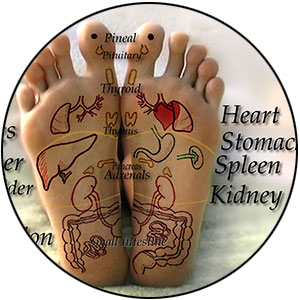
Reflexology is a therapeutic technique based on the principle that specific areas of the feet and hands correspond to organs, glands, and structures throughout the body. Stimulating these reflex points can promote relaxation, improve circulation, and support the body’s natural regulatory processes.
Modern reflexology developed through contributions from multiple cultures and medical practitioners over thousands of years. Early forms of reflex-based therapy were practiced in ancient Egypt and China, demonstrating a long historical recognition of the relationship between pressure points and health.
In the early 20th century, Dr. William Fitzgerald introduced the concept of longitudinal reflex zones dividing the body into ten vertical channels. Eunice Ingham later refined these ideas and developed the foot reflex maps and techniques that form the foundation of modern reflexology practice.
Reflexology is now widely used as a complementary therapy to promote relaxation and support overall well-being.
Clinical Significance
The feet contain thousands of sensory nerve endings that communicate with the spinal cord and brain. Stimulating these nerve endings can influence the autonomic nervous system, particularly the parasympathetic branch, which promotes relaxation, recovery, and physiological regulation.
Reflexology may support:
• Nervous system relaxation
• Improved circulation
• Reduced muscle tension
• Improved lymphatic flow
• General stress reduction
These effects make reflexology a valuable addition to massage therapy and bodywork sessions.
Practical Application Notes
Reflexology can be performed in a variety of settings, including:
• Massage tables
• Reclining chairs
• Beds or couches
• Seated positions
The most important factors are practitioner comfort and client comfort. Proper positioning allows the practitioner to work effectively without creating strain in the hands, thumbs, shoulders, or back.
Maintaining relaxed posture and proper body mechanics allows reflexology to be performed for extended periods without fatigue or injury.
Practitioner Guidelines
There are two essential technique principles:
First, protect your hands and thumbs. Pressure should be applied using controlled, supported movement rather than excessive force. Proper technique allows effective stimulation without causing practitioner fatigue or injury.
Second, maintain slow, rhythmic pressure. Consistent rhythm activates the parasympathetic nervous system, promoting deep relaxation and enhancing the therapeutic effect.
Smooth, steady contact creates a calming sensory input that supports nervous system regulation.
Anatomy and Physiology Context
Reflexology primarily affects the nervous system through stimulation of sensory receptors in the skin. These receptors transmit signals through peripheral nerves to the spinal cord and brain.
Activation of the parasympathetic nervous system produces physiological effects including:
• Reduced heart rate
• Reduced muscle tension
• Improved circulation
• Increased digestive activity
• Reduced stress hormone activity
These responses contribute to the overall therapeutic benefit of reflexology.
Practitioner Comfort and Sustainability
Proper practitioner comfort is essential for effective reflexology. Poor posture, excessive thumb pressure, or muscular tension can lead to fatigue or injury.
Maintain:
• Relaxed shoulders
• Neutral wrist position
• Upright posture
• Use of body weight rather than thumb strength
Comfortable technique allows longer, more effective sessions and improves the quality of touch experienced by the client.
Common Mistakes
• Applying excessive pressure
• Working too quickly
• Tensing the shoulders or hands
• Leaning forward excessively
• Using thumb strength instead of body weight
• Losing rhythmic consistency
Avoiding these mistakes improves effectiveness and prevents practitioner fatigue.
Quick Reference Summary
Reflexology developed over thousands of years and was refined into modern practice in the early 20th century.
The technique works primarily through stimulation of the nervous system and promotion of parasympathetic relaxation.
Successful reflexology depends on:
• Proper practitioner comfort
• Controlled thumb pressure
• Slow, rhythmic technique
• Consistent contact
These principles form the foundation for all reflexology techniques taught in this course.