
Mastering Thai Massage Online Class
Mastering Thai Massage Online is a comprehensive training in the traditional art of Thai massage, offering over three hours of clear, guided instruction and more than 170 detailed techniques. This course teaches foundational principles, effective body mechanics, and full-body sequences that integrate stretching, pressure work along sen (energy) lines, and rhythmic, supportive contact to promote relaxation, mobility, and balanced function. Lessons emphasize alignment, safe pressure application, and practical sequencing so you can confidently incorporate Thai massage into your professional practice.

Course Overview
This online class is organized into sequential modules that combine history, technique breakdowns, and complete bodywork sequences. You begin with the history of Thai massage and correct positioning for both giver and receiver, then progress through detailed sequences in multiple body positions, including prone, supine (lower body and upper body), side posture, and seated work. Each lesson focuses on effective pressure application, proper body mechanics, and the traditional integration of stretches and acupressure along sen lines. The seated sequence provides a useful transition and finale that supports comfort and flexibility.
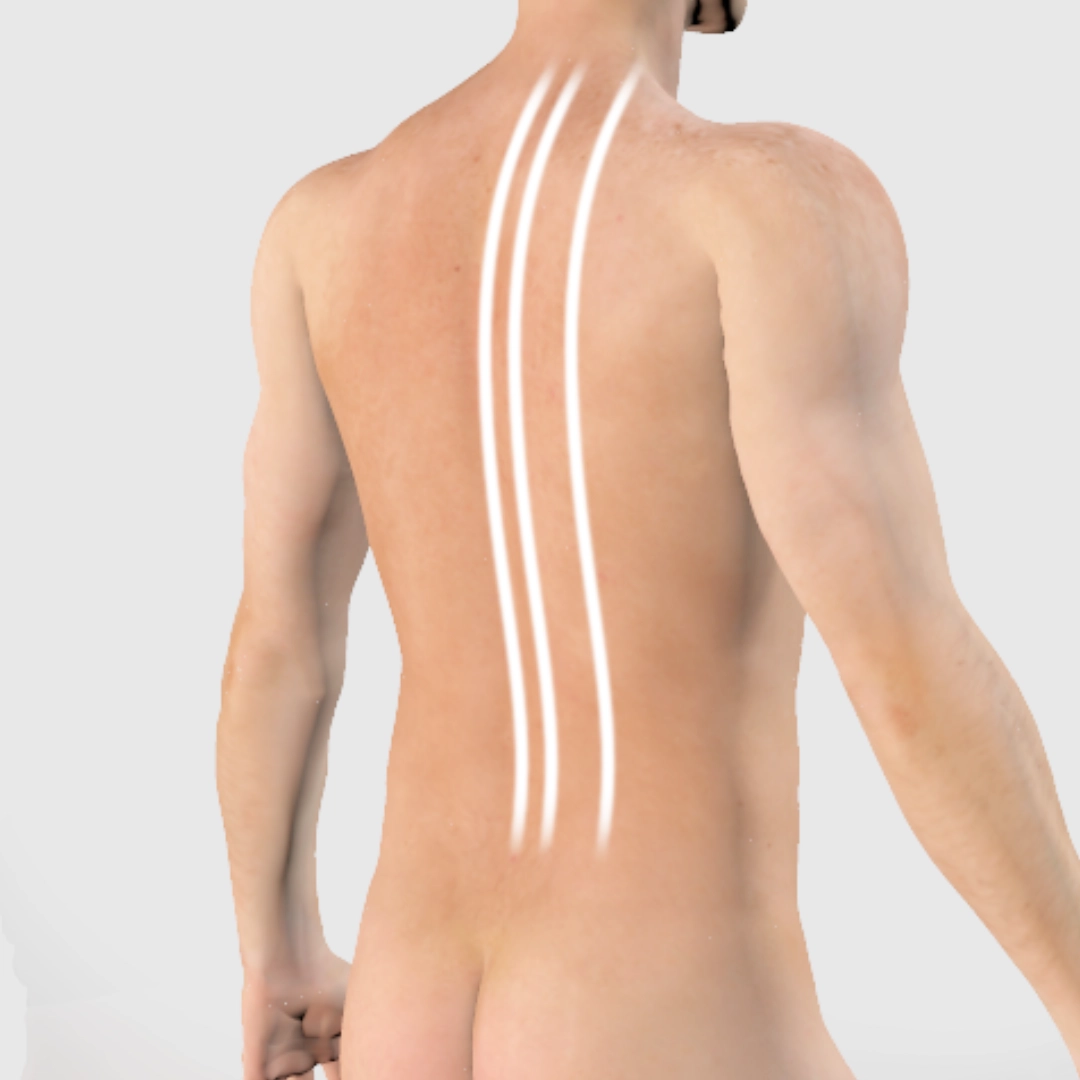
What You Will Learn
- The history and core principles of traditional Thai massage
- Correct positioning and body mechanics for the giver to maintain endurance and precision
- How to work with prone (posterior) sequences, including foot, leg, and back techniques
- Supine lower body sequence for anterior thigh, abdominal, hamstring, and adductor work
- Supine upper body sequence focusing on belly, arms, chest, and neck applications
- Side posture techniques that access most of the body and are useful for clients who cannot lie face up
- A seated sequence that targets the torso and neck while supporting smooth session transitions
- How to integrate stretching, sen line pressure, and rhythmic movement into full-body work for deep relaxation and enhanced mobility
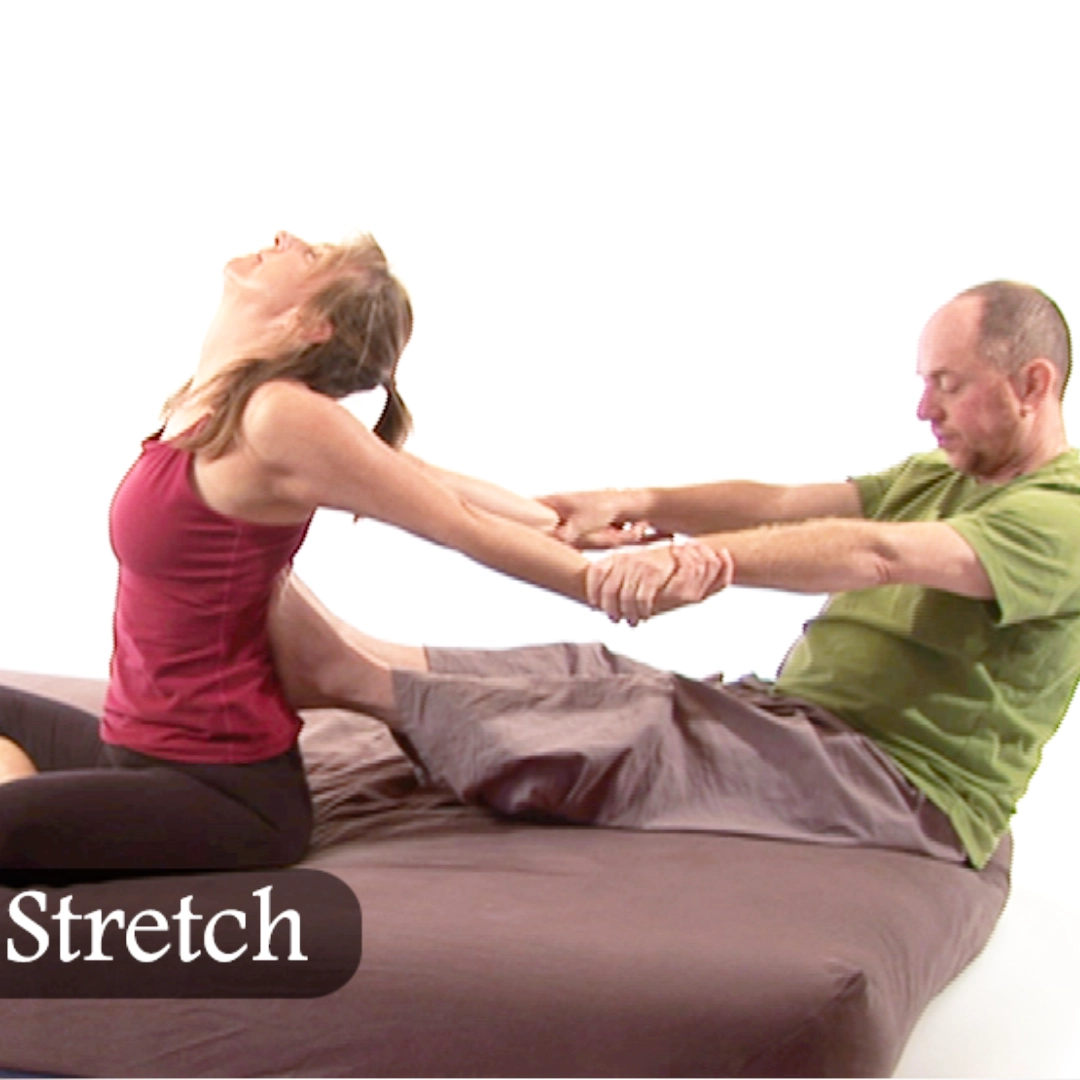
Course Details & Learning Materials
- Format: On-demand online video course
- Instructional Hours: Over 3 hours of detailed Thai massage techniques and sequences
- Lesson Structure: Six progressive modules from foundational principles through full sequences
- Technique Coverage: Traditional Thai stretches, sen line work, and position-specific routines
- Skill Level: Designed for licensed massage therapists and bodywork professionals
- Demonstration Style: Clear, step-by-step instruction with focus on safe mechanics and pressure application
- Access: Unlimited lifetime access after enrollment
- Certificate: Downloadable certificate of completion provided
Who This Course Is For
This Thai massage class is designed for licensed massage therapists, bodywork practitioners, and manual clinicians who want a structured, comprehensive introduction to Thai massage principles and practice. It is ideal for therapists who want to expand their repertoire with full-body Thai work that combines stretching, rhythmic pressure, and energy line techniques. Practitioners who value detailed sequencing, proper body mechanics, and methods that enhance flexibility, comfort, and systemic regulation will find this course directly applicable to their clinical practice.
Supporting Learning Articles
If you want to explore the principles and techniques behind Thai massage in more depth, these in-depth articles explain the core ideas used throughout this course:
- What Is Thai Massage? A Clinical and Practical Explanation explains how Thai massage works, how it differs from table massage, and why assisted stretching and rhythmic compression are central to the method.
- Thai Massage Movement Principles and Sequencing breaks down how Thai massage sessions are structured, including client positioning, transitions, and therapist body mechanics.
- How Thai Massage Integrates with Other Massage Modalities explains how Thai techniques can be blended with orthopedic, deep tissue, and myofascial work in real-world practice.
These articles are not required to take the course, but they provide helpful background and context for the techniques and sequencing taught in the training.
Meet your instructor
This course is led by Richard Gold, a licensed acupuncturist with a doctorate in psychology and formal training in Nuad Bo-Rarn at the Old Medicine Hospital in Chiang Mai, Thailand. Dr. Gold is a senior instructor and board member of the International Professional School of Bodywork (I.P.S.B.) in San Diego, where he teaches traditional Thai massage with an emphasis on alignment, body mechanics, and seamless flow. His instruction is clear, thorough, and rooted in both traditional practice and modern understanding.
Lessons
Introduction
Free Preview
This lesson includes the history of thai massage, the various positions of the receiver, and the correct positioning of the giver. General principles are discussed.
Prone sequence
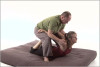
This lesson shows how to apply thai massage techniques to the posterior body. This includes detailed foot, leg and back work. The technique focus both on the meridians (bladder meridian) and working the muscles.
Supine lower body sequence
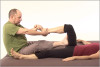
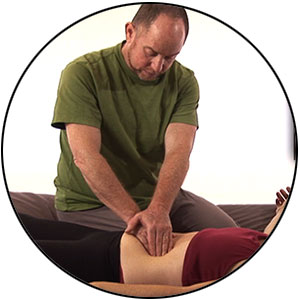
This lesson includes thai massage techniques with the client face-up. This includes work on the anterior thigh and belly, and well as the hamstrings and adductor muscles. The focus is both on the muscles and the sen lines (meridian lines).
Supine upper body

This lesson focuses on the belly, arms, chest and neck. At each point, Rick gives specific instructions and demonstrates the techniques. The focus is both on the sen lines and the muscles.
Side posture sequence
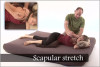
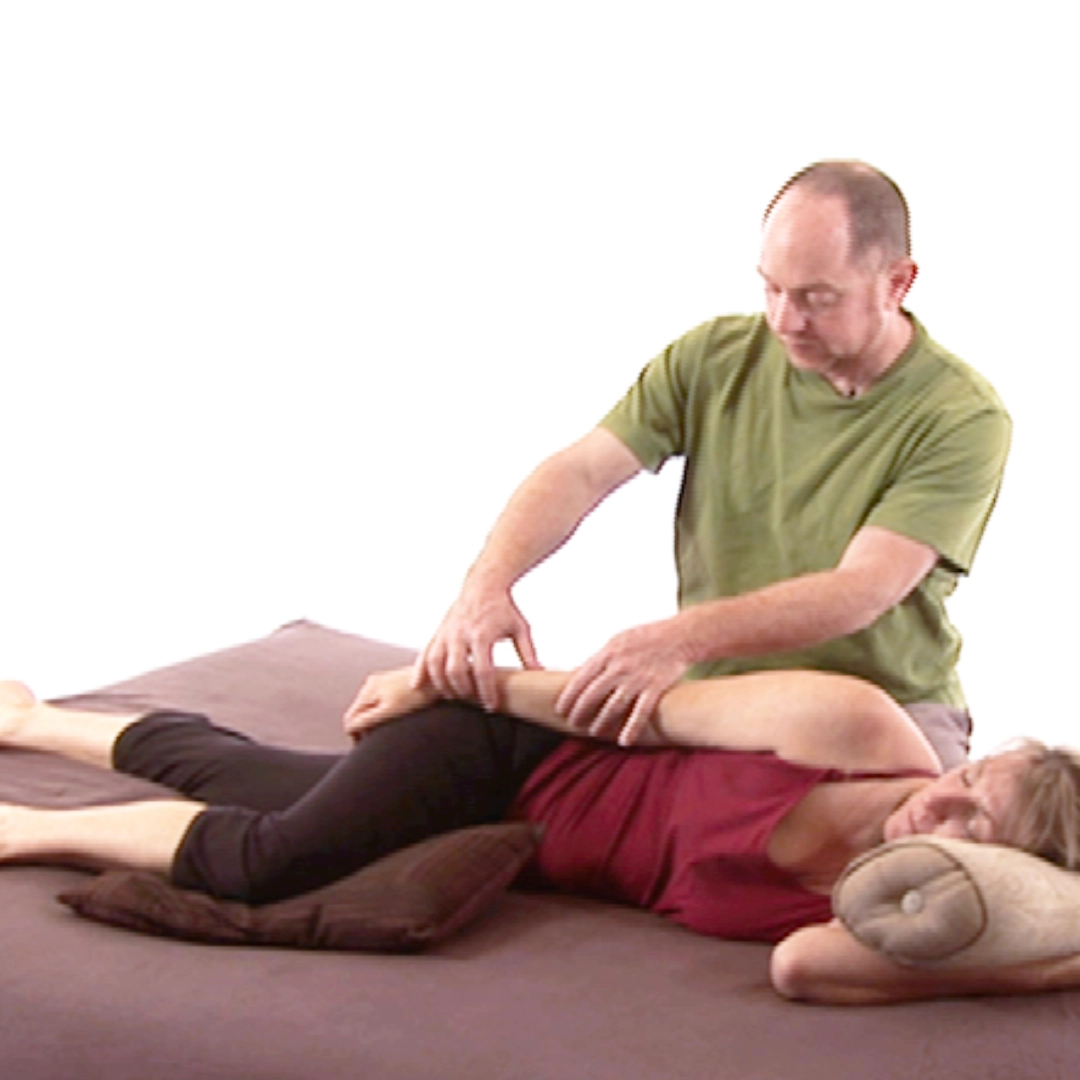
This lesson demonstrates thai massage in side posture. Many practitioners have difficulty in side posture, but it is an incredibly efficient way to work. Rick demonstrates working on the legs, torso and arms. Almost all the body can be covered with the client on their side, and it is very relaxing for the client. This position is also useful for pregnant women who can’t lay face-up.
Seated sequence
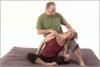
The seated sequence mainly focuses on working and stretching the client’s torso, with some neck work. It is a useful position to stretch the client and is sometimes used at the end of the session to help the client transition to the session completion.