
What Is Thai Massage? A Clinical and Practical Explanation
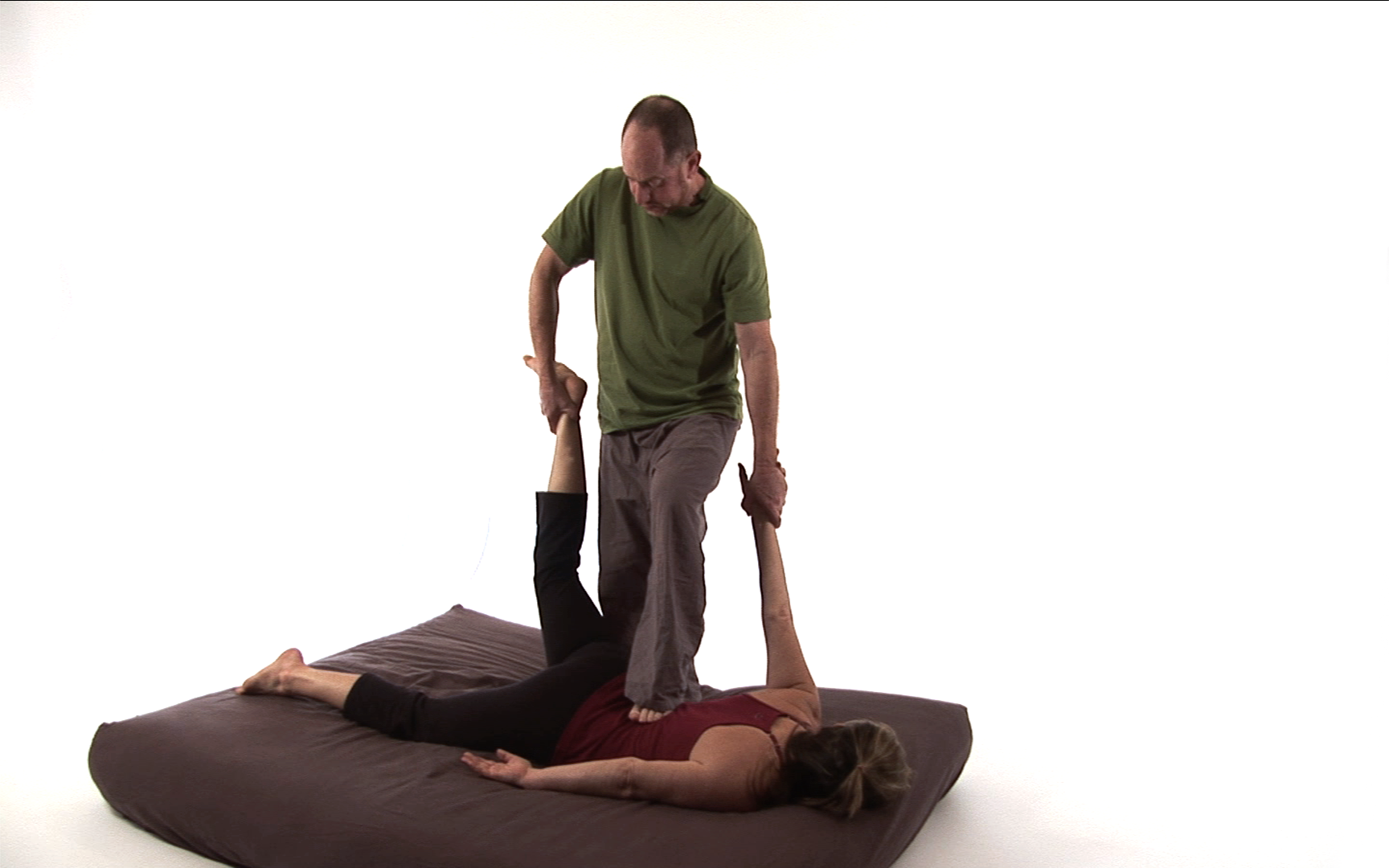
Thai massage is a therapeutic bodywork tradition that combines assisted stretching, rhythmic compression, and deliberate movement to improve mobility and reduce tension. Many sessions are performed with the client fully clothed on a mat, with the therapist using hands, forearms, elbows, knees, and body weight to apply pressure and guide stretches. The result is a style of bodywork that feels part massage, part assisted movement session.
What makes Thai massage different from table massage
In many Western table massage styles, the work is primarily tissue-focused: kneading, gliding, and specific soft-tissue techniques applied to muscles and fascia. Thai massage adds a strong movement component. Instead of treating only the tissue under your hands, Thai massage frequently mobilizes joints and lengthens tissues through assisted positions and stretch sequences.
Because of this, Thai massage often feels more “systemic.” Rather than staying in one region for a long time, many Thai sessions move through the body in a structured flow.
Core elements of Thai massage
- Rhythmic compression: steady, bodyweight-based pressure to warm tissues and reduce guarding.
- Assisted stretching: therapist-guided movements that open joints and lengthen tissues safely.
- Positioning and leverage: using body mechanics and alignment to create strong results without strain.
- Sequencing: a repeatable progression that builds from preparation into deeper work.
Why therapists use Thai massage clinically
Thai massage is often used to improve flexibility and joint range of motion, reduce chronic tension patterns, and support clients who feel “stiff” or restricted. For therapists, it can be a practical way to add movement-based techniques to sessions, especially for clients who respond well to stretching and mobilization.
How to learn Thai massage in a structured way
Thai massage is easiest to learn when the techniques are taught as sequences, with clear body mechanics and transitions. If you want step-by-step training, our Mastering Thai Massage Online Course teaches Thai massage fundamentals, sequencing, and practical application for professional use.
To explore more clinical massage topics, visit our Reference Library.
Next, read: Thai Massage Movement Principles and Sequencing.