
How Does Craniosacral Therapy Work?
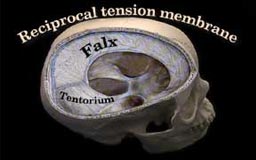
Craniosacral therapy works by supporting the body’s inherent ability to regulate itself. Rather than applying force or attempting to mechanically correct structures, the practitioner uses light, sustained contact to engage the nervous system and connective tissue in a way that allows strain patterns to soften and reorganize. The work is subtle, but it is deliberate, precise, and guided by what the body presents moment to moment.
To understand how craniosacral therapy works, it is important to set aside ideas of manipulation or correction and instead look at how the body responds to safety, attention, and timing.
The Central Idea Behind Craniosacral Therapy
At its core, craniosacral therapy is based on the understanding that the body functions as an integrated whole. Stress, injury, and overload do not remain isolated in one structure or region. They influence nervous system tone, tissue tension, and overall adaptability.
Craniosacral therapy works by identifying where the system has become fixed or protective and by creating conditions that allow those patterns to shift. The practitioner does not direct the change. Instead, they provide a steady, neutral presence that allows the body to reorganize itself toward balance.
This approach assumes that the body already knows how to heal, but may need the right conditions in order to do so.
Why Light Touch Is Essential
One of the defining characteristics of craniosacral therapy is its extremely light touch. This is not a stylistic choice; it is fundamental to how the therapy works.
From a nervous system perspective, strong or corrective touch can activate protective responses, even when the intention is therapeutic. Light, sustained contact stays below that defensive threshold. It communicates safety rather than demand, which allows the nervous system to shift out of vigilance and into regulation.
As this shift occurs, breathing often becomes slower and deeper, tissue tone begins to soften, and internal rhythms become more apparent. These changes are signs that the system is moving away from protection and toward adaptability.
Listening Rather Than Doing
Craniosacral therapy is often described as a listening-based approach. In practical terms, this means the practitioner prioritizes perception over action.
Instead of applying techniques in a predetermined sequence, the practitioner maintains contact and listens for subtle changes in tissue quality, rhythm, and response. This listening allows the work to be responsive rather than prescriptive.
By waiting for the body to signal readiness, craniosacral therapy avoids overriding protective patterns. Intervention, when it occurs, is minimal and timed according to what the system can integrate.
The Role of the Craniosacral Rhythm
Many practitioners use the craniosacral rhythm as a reference point during treatment. This slow, subtle rhythm reflects the system’s current level of organization and adaptability.
Changes in the quality of this rhythm—such as increased ease, symmetry, or continuity—often indicate that strain patterns are resolving and that regulation is improving. When the rhythm feels restricted or disorganized, the practitioner may simply maintain contact and allow time, rather than attempting to change anything directly.
In this way, the craniosacral rhythm acts as feedback rather than a target. It informs the practitioner about how the system is responding to touch and stillness.
Fascial and Dural Continuity
Craniosacral therapy works through the body’s connective tissue networks, particularly fascia and the dural membranes. These tissues transmit tension throughout the body and often hold long-standing patterns related to injury or stress.
Because these tissues respond slowly, craniosacral therapy emphasizes patience. Sustained, gentle contact allows unnecessary holding to release without triggering resistance. Rather than forcing change, the practitioner gives the system time to reorganize itself.
This is why craniosacral therapy often feels quiet and unhurried, even when significant shifts are occurring internally.
Stillness and Self-Regulation
A common experience during craniosacral therapy is the emergence of stillness. Stillness is not a lack of activity, but a pause during which the system reorganizes.
During these moments, defensive responses may disengage, tissue tone may rebalance, and new rhythmic patterns can emerge. Practitioners recognize stillness as a sign that the body is engaging in self-correction rather than being externally directed.
Craniosacral therapy works by allowing these pauses to unfold naturally, without interruption or effort.
Client Experience and Awareness
Although craniosacral therapy uses very light touch, clients are often actively involved through increased internal awareness. Many notice subtle sensations, emotional shifts, or changes in breath and perception.
This heightened interoception supports integration beyond the session itself. As clients become more aware of internal states, they are often better able to recognize tension patterns and respond to them in daily life.
In this way, craniosacral therapy supports not only physical change, but also self-awareness and regulation.
Why the Effects Can Be System-Wide
Clients frequently report changes that extend beyond the area of contact, such as improved sleep, reduced anxiety, or altered pain patterns. This reflects the system-wide nature of craniosacral therapy.
Because the work engages central regulation, connective tissue continuity, and internal rhythms, shifts in one area can influence the whole. Craniosacral therapy does not chase symptoms; it supports the conditions under which symptoms may resolve.
What Craniosacral Therapy Is — and Is Not
Craniosacral therapy is often misunderstood. It does not involve forcing bones to move, applying corrective pressure, or overriding the nervous system. It is not a technique-driven modality.
Instead, it is a regulation-based approach that relies on precision, restraint, and responsiveness. Its effectiveness depends less on what the practitioner does and more on how well they listen.
How Craniosacral Therapy Is Used in Practice
In clinical settings, craniosacral therapy is often integrated with other forms of manual work. It may be used at the beginning of a session to assess regulation, during treatment to support integration, or at the end to consolidate change.
This flexibility allows craniosacral principles to enhance other modalities without replacing them.
Why Craniosacral Therapy Continues to Be Used
Craniosacral therapy continues to be used because practitioners consistently observe improvements in regulation, comfort, and adaptability. Its value lies not in dramatic intervention, but in its ability to support the body’s own organizing processes in a respectful and sustainable way.
Continue learning:
• Learn the foundations in What Is Cranial Sacral Therapy?
• Explore more anatomy and technique articles in our Reference Library
• Learn hands-on application in our Cranial Sacral Therapy Online Class