
Myofascial Release Techniques Explained
What are myofascial release techniques?
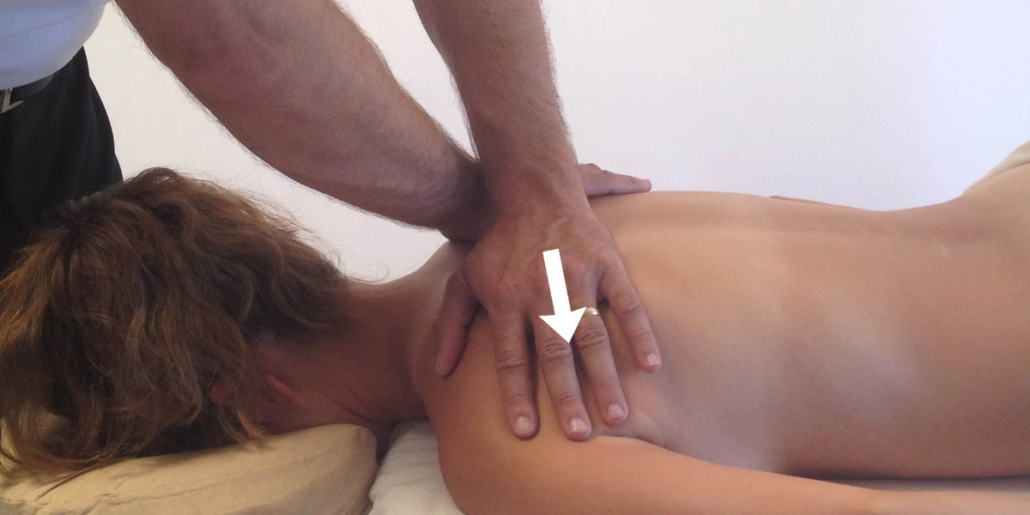
Myofascial release techniques are manual methods designed to work with the properties of fascial tissue rather than muscular contraction alone. These techniques use gentle, sustained pressure held for extended periods of time.
The practitioner maintains contact without sliding, allowing the tissue to respond gradually.
Why is slow pressure used in myofascial release?
Fascial tissue is designed to resist sudden force. Quick or aggressive pressure primarily affects elastic fibers and produces only temporary change.
Slow pressure held for several minutes allows deeper layers of fascia to soften. This gives the collagen matrix time to reorganize and reduces restriction more effectively.
How long are myofascial release techniques held?
Most myofascial release techniques are held for two to five minutes or longer. The initial phase affects elastic fibers, while longer holds allow deeper fascial layers to respond.
Releasing too quickly often results in the tissue returning to its previous state.
What types of techniques are commonly used?
Common myofascial release techniques include:
- Cross-handed stretches
- Skin rolling and superficial fascial release
- Sustained pressure over restricted areas
- Scar tissue release
- Fascial line stretches
These techniques are often combined with evaluation methods to identify primary restrictions.
Do myofascial release techniques use deep pressure?
Despite common assumptions, effective myofascial release does not rely on deep or forceful pressure. Light pressure allows the practitioner to maintain sensitivity and encourages the tissue to respond without resistance.
Excessive force can reduce feedback and limit effectiveness.
Learning proper technique application
Because myofascial release depends on tissue response rather than preset strokes, proper training focuses on palpation skills, timing, and following the body’s cues.
How to Integrate Myofascial Release into a Massage Session
If you’re interested in how to apply myofascial release within a full massage session, including sequencing and combining it with other modalities, see our article on integrating myofascial release into massage.
In our Myofascial Release Online Course, these techniques are demonstrated step by step, with emphasis on safety, sensitivity, and real-world application.
You can find related techniques and foundational bodywork concepts in our massage and bodywork reference library.
About the Author

Sean Riehl is the founder of Real Bodywork and a leading expert in massage therapy and bodywork education with over 25 years of experience. A pioneer in clinical instruction, Sean has authored numerous textbooks and produced over 40 instructional videos used by massage schools and practitioners worldwide.
Beyond his clinical and educational work, Sean has been a driving force in the wellness industry’s growth. In 2022, he was a founding member of iFlex Stretch Studios, a premier assisted stretching franchise. Following the acquisition of iFlex by the founders of StretchLab in late 2024, Sean served as the Vice President of Training through 2025. In this role, he worked closely with the executive team to elevate training standards and curriculum for hundreds of practitioners before retiring from the position at the end of the year to focus on his educational legacy.