
Muscle Energy Technique Online (Upper & Lower Body)
Muscle Energy Technique (MET) is a gentle, highly effective manual therapy approach that uses the body’s own neuromuscular mechanisms to correct somatic dysfunction. Rather than relying on force or manipulation, MET uses precise assessment and guided resistance to bring joints back into optimal alignment and relax tight musculature. This online class delivers a comprehensive, full-body exploration of MET principles and applications so you can integrate this powerful technique into your clinical practice with confidence.

Course Overview
This online Muscle Energy Technique class combines both the upper-body and lower-body instructional material into one master series of lessons. You will learn how to evaluate joint stiffness and muscle tightness, determine when and where MET is appropriate, and apply techniques that use minimal force to achieve meaningful structural and functional change. Lessons blend clear explanations, detailed demonstrations, and applied examples that make learning accessible for licensed massage therapists and bodyworkers.
What You Will Learn
- The foundational principles of Muscle Energy Technique, including neuromuscular control, precise assessment, and muscle spindle mechanics.
- How to position joints and guide gentle resistance to restore alignment and mobility in both upper and lower body regions.
- Techniques for addressing pelvic dysfunctions, including upslips, downslips, inflair and outflair, sacral rotations, and pubic imbalances.
- Methods for working with the sacrum, lumbar spine, thoracic vertebrae, rib cage, and hips using MET principles.
- Upper-body applications, including cervical and shoulder evaluation and correction, as well as rib cage assessment and release strategies.
- How to integrate MET into your existing treatment protocols to enhance tissue response and client outcomes.
Course Details & Learning Materials
- Format: On-demand online video lessons with over five hours of detailed instruction.
- Access: Unlimited lifetime access after enrollment.
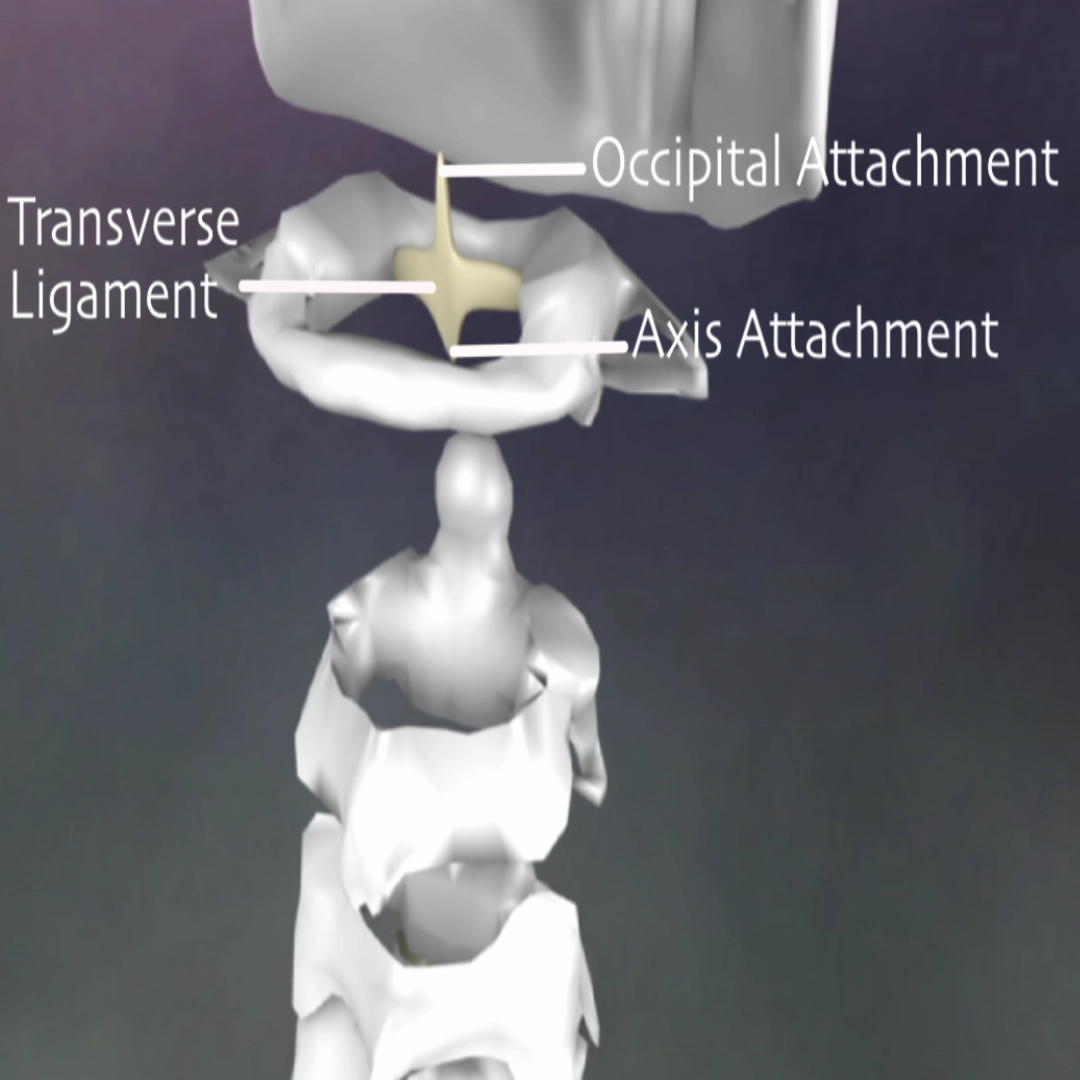
- Instruction: Video demonstrations enhanced with graphics and a 3D anatomy viewer that allows you to rotate and explore 120 muscles and 100 bones in context.
- Skill Level: Designed for licensed massage therapists and bodyworkers familiar with clinical assessment.
- Certificate: Downloadable certificate of completion provided
Who This Course Is For
This class is ideal for massage therapists, physical therapists, osteopathic practitioners, and other manual professionals who want a structured, full-body methodology for assessing and correcting dysfunction with minimal force. MET is particularly useful for clinicians who prefer techniques that work with the client’s neuromuscular system rather than applying external force or manipulation.

Learn More About Muscle Energy Technique
If you are new to this method, start with our clear overview of what Muscle Energy Technique is and how it is used in clinical practice.
To understand the underlying mechanisms, read our in-depth explanation of how Muscle Energy Technique works, including motion barriers and neuromuscular reflexes.
For clinical decision-making, see our comparison of articular vs muscle MET and learn when to use each approach.
About the Author
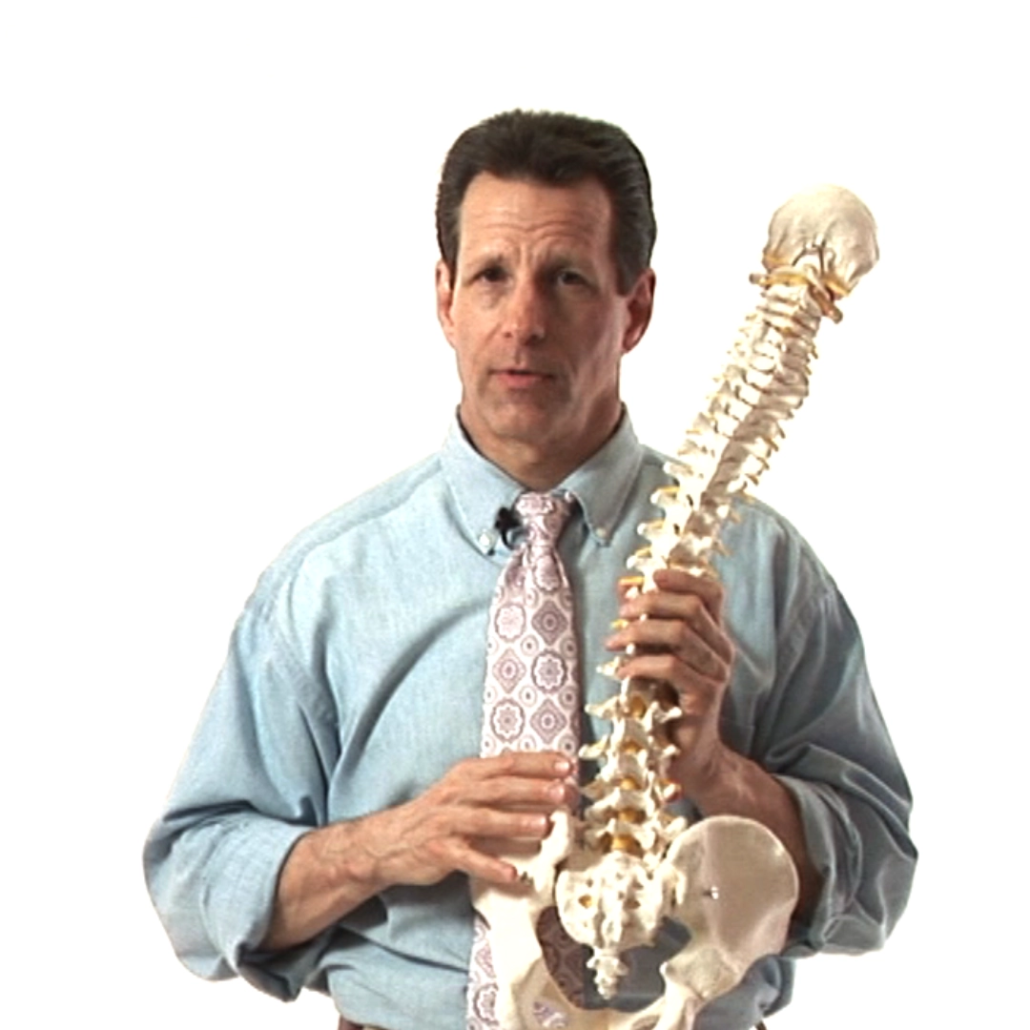
Thomas K. Ockler, P.T. received his physical therapy degree from the State University of New York at Buffalo in 1978 and has over four decades of uninterrupted clinical practice. His work focuses on resolving chronic pain and complex somatic dysfunction using non-manipulative manual therapy techniques.
Tom has taught extensively throughout the United States, Canada, the United Kingdom, and Australia. His background in biomechanics and orthotic fabrication is integrated with contemporary pain science to address difficult musculoskeletal conditions with precision and restraint. Known for his clear teaching style and use of humor, Tom excels at making complex concepts accessible and clinically useful.
In 1999, he founded Alternative HealthCare Solutions, a solo practice dedicated to treating stubborn and unresolved somatic dysfunctions, drawing patients from across the U.S., Canada, and Europe.
Lessons
Introduction
Free Preview
This lesson is the introduction to Muscle energy technique. In this lesson Tom describes the anatomical basis for MET, including muscle spindle cell, joint mechanics and muscle function. Tom also describes the difference between MET to release a muscle, and MET to release a joint (both of which are covered in this class). Finally Tom discusses how much pressure to use, and contraindications for the work.
Pelvis- muscular
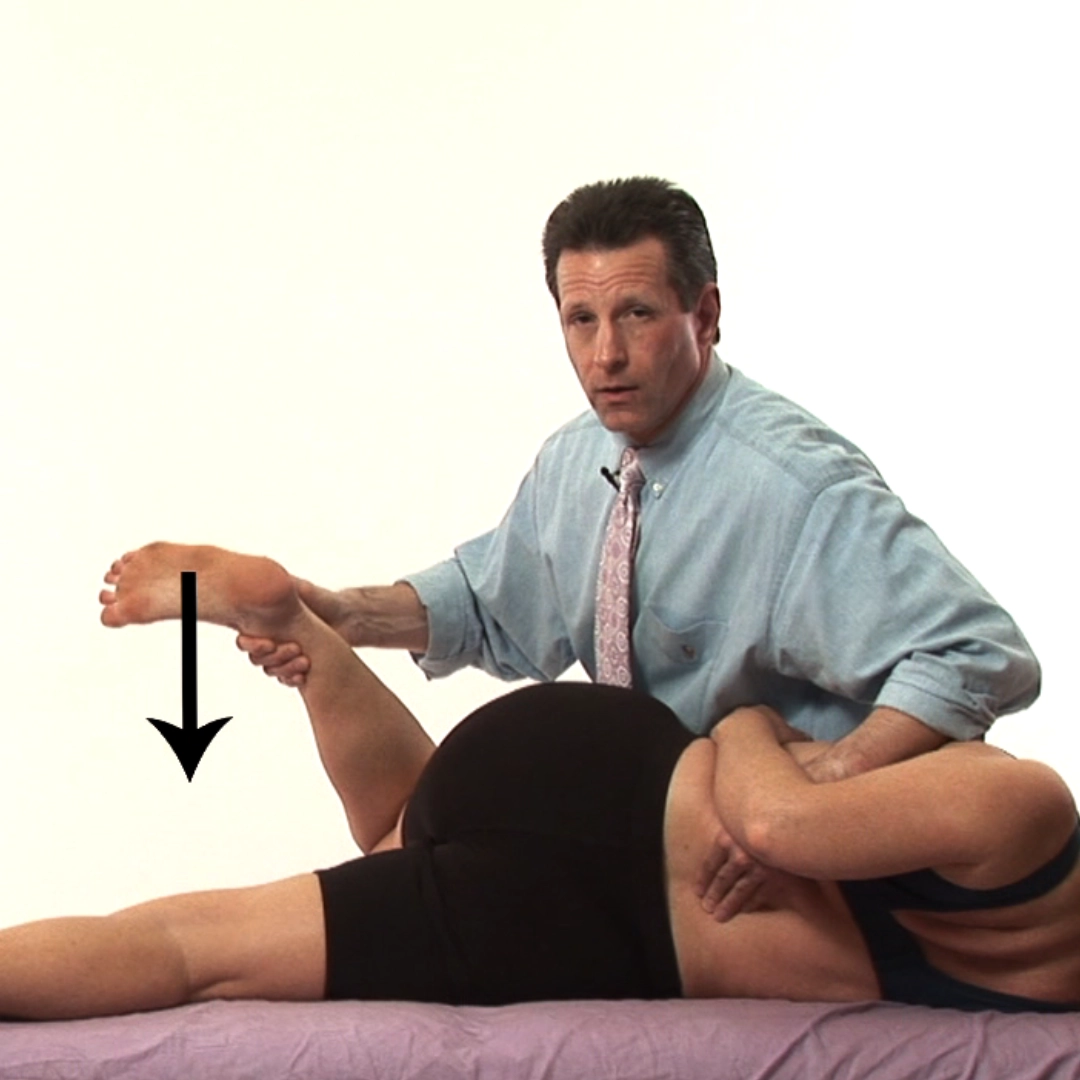
This lesson demonstrates how to release all the muscles that surround and support the pelvis. This includes the gluteus medius and minimus, obturators, gemelli, quadratus femoris, tensor fascia latae, rectus femoris, adductors, psoas and iliacus and more. Using muscle energy technique to release the muscles is incredible efficient and effective.
Pelvis- articular
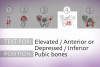
This lesson shows the anatomy and movement of the ilium, ischium and pubic bones (as the pelvis). Tom shows a full evaluation for each bone, including ilium upslip, downslide, inflair, outflair, and rotation, and inferior or superior pubis. For each assessment, he shows how to bring the structure into balance, as well as the proper treatment order.
Sacrum
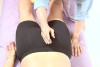
This lesson shows how to evaluate the sacrum in terms of flexion, extension and rotation. The axis of rotation is discussed, and the biomechanics of the SI joint. Then Tom demonstrates techniques to align the sacrum.
Thoracic

This lesson shows the movement of the thoracic vertebrae and how to perform evaluation in the seated and laying position. This evaluation uses motion to discover if the vertebrae is stuck in flexion or extension on the right or left. Then he demonstrates techniques to free the restriction and get the vertebrae functioning properly.
Lumbar
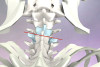
This lesson discusses the anatomy and movement patterns of the lumbar spine. Tom shows how to evaluate each lumbar vertebrae and determine if it is stuck in flexion or extension on the right or left. Then he demonstrates how to return the vertebrae to proper movement using muscle energy techniques.
Cervical and Shoulder
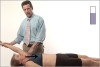
In this lesson Tom shows both muscle MET and articular MET. First he shows how to release all the muscles in the cervical area and shoulder, including the pectoralis major, lattisimus dorsi, trapezius, levator scapula and others. He then shows how to evaluate the sterno-clavicular joint for dysfunction, then the gleno-humeral joint itself. Finally he shows to evaluate the cervical vertebrae for dysfunction, and demonstrates how to get the vertebrae moving properly.
Rib Cage
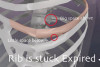
This this lesson Tom demonstrates how to evaluate the rib cage. This includes evaluation for inflair, bucket handle, and pump handle motion. Once the general evaluation is complete, he shows to to assess each rib to determine if the rib is stuck in inspiration or expiration. Once this is determined, he shows how to release the rib to restore proper function.
Breathing

In this short lesson, Tom talks specifically about belly breathing as opposed to correct functional breathing that uses the rib cage and keeps the ribs healthy and moving.