

Description
Build a stronger understanding of anatomy and body systems with clear, visual instruction created specifically for massage therapists, bodyworkers, and students.
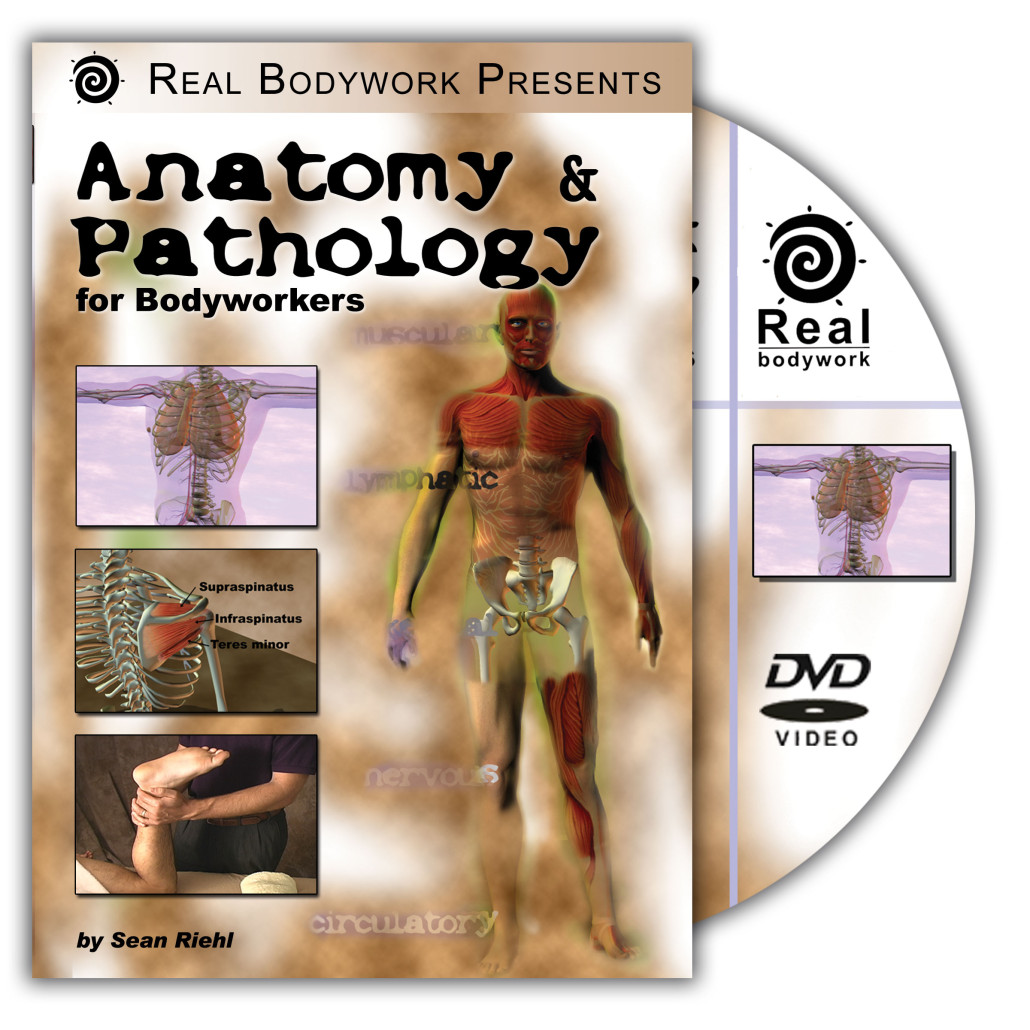
Anatomy and Pathology for Bodyworkers explores the structure and function of the body’s major systems and introduces important concepts that help practitioners better understand how the body responds to stress, injury, and changes in normal function.
Journey through the skeletal, circulatory, lymphatic, nervous, and muscular systems while learning how each system is organized and how it relates to professional massage and bodywork practice.
Hundreds of illustrations, anatomical graphics, images, and animations make complex concepts easier to understand and remember. Practical examples connect anatomy with hands-on bodywork, helping you develop a stronger foundation for assessment, communication, and professional practice.
What You’ll Learn
- Structure and function of the skeletal system
- Major components of the circulatory system
- Organization and function of the lymphatic system
- Key concepts of the nervous system
- Muscular anatomy and function
- How major body systems interact
- Foundational pathology concepts relevant to bodyworkers
- Practical connections between anatomy and hands-on bodywork
Designed for Massage Therapists and Bodyworkers
This program is especially useful for massage therapists, bodyworkers, and students who find traditional anatomy instruction overly academic or difficult to visualize. The clear presentation and extensive visual material make it easier to understand important concepts and connect them with real-world practice.
About Your Instructor
Sean Riehl is the founder of Real Bodywork and has taught massage and bodywork since 1991. He has created numerous instructional programs used by massage schools, students, and professional practitioners, with a focus on making anatomy, assessment, and clinical bodywork easier to understand and apply.
His teaching style combines clear explanations, visual learning, and practical examples to help bodyworkers build confidence in complex subjects without unnecessary academic complexity.