
What Is Cranial Sacral Therapy?
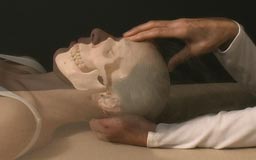
Craniosacral therapy is a gentle form of manual therapy that works with the nervous system, connective tissue, and internal rhythms of the body. It is characterized by light, sustained contact and a listening-based approach rather than force or mechanical manipulation. Practitioners use craniosacral therapy to support regulation, reduce strain, and help the body reorganize patterns that may have developed in response to stress, injury, or overload.
Although the work is subtle, it is precise. Craniosacral therapy is not about fixing specific structures, but about creating the conditions in which the body can restore balance on its own.
A Clear Definition of Craniosacral Therapy
Craniosacral therapy is a regulation-based manual therapy that focuses on how the nervous system and connective tissue respond to gentle touch and sustained attention. The practitioner listens with their hands for subtle qualities of movement, rhythm, and tension, and responds in a way that supports ease and adaptability.
Rather than imposing change, craniosacral therapy allows the body to reveal where it is holding strain and how it wants to reorganize. This makes it distinct from techniques that rely on pressure, stretching, or correction.
Where Craniosacral Therapy Comes From
Craniosacral therapy has its roots in osteopathic medicine, particularly early work exploring the relationship between the cranium, the spinal membranes, and the nervous system. Over time, it evolved into a distinct approach emphasizing palpation, perception, and nervous system regulation rather than structural adjustment.
While different lineages explain the work using slightly different language, they share a common emphasis on subtlety, safety, and responsiveness. Modern craniosacral practice reflects decades of clinical observation and refinement rather than a single rigid theory.
Why the Therapy Is So Gentle
One of the most noticeable aspects of craniosacral therapy is the lightness of touch. This gentleness is intentional and central to how the therapy works.
From a nervous system perspective, strong or corrective touch can trigger protective responses, especially in individuals who are already stressed or sensitive. Craniosacral therapy stays below that threshold. By using minimal pressure, the practitioner communicates safety rather than demand, allowing the system to shift out of vigilance and into regulation.
As this happens, tissues often soften, breathing deepens, and internal rhythms become more coherent.
What Practitioners Are Listening For
Craniosacral therapy is often described as a listening practice. This does not mean the practitioner is passive. It means attention is placed on subtle cues rather than on performing techniques.
Practitioners listen for changes in tissue tone, fluid responsiveness, and rhythmic expression. They notice where movement feels restricted or strained and where it feels fluid and adaptable. These perceptions guide the session, determining when to remain still, when to follow movement, and when to allow pauses for integration.
The goal is not to interpret or analyze excessively, but to respond accurately to what the body presents.
The Role of the Craniosacral Rhythm
Many practitioners reference a slow, subtle rhythm perceived throughout the body, often called the craniosacral rhythm. This rhythm is not the same as breathing or heartbeat. It reflects broader system organization and adaptability.
Changes in the quality of this rhythm often correspond with changes in nervous system tone. As strain patterns soften and regulation improves, the rhythm may feel more balanced, continuous, or expansive. Practitioners use this information as feedback rather than as something to control or manipulate.
Connective Tissue and Whole-Body Continuity
Craniosacral therapy works through the body’s connective tissue networks, particularly fascia and the dural membranes that surround the brain and spinal cord. These tissues form continuous pathways that transmit tension throughout the body.
Because connective tissue responds slowly and globally, craniosacral therapy emphasizes patience and timing. Sustained contact allows unnecessary holding to release without triggering resistance. This approach respects the body’s natural pace and avoids forcing change.
Stillness and Reorganization
A common feature of craniosacral therapy sessions is the emergence of stillness. Stillness is not inactivity, but a pause during which the system reorganizes.
During these moments, protective patterns may disengage and new rhythmic organization can emerge. Practitioners recognize stillness as a sign that the body is engaging in self-regulation rather than being directed from the outside.
Craniosacral therapy works by allowing these pauses to occur naturally, without interruption.
What a Session Typically Feels Like
From the client’s perspective, craniosacral therapy often feels quiet and subtle. Some people experience deep relaxation, while others notice internal sensations, emotional shifts, or changes in awareness.
Because the work is gentle, clients remain fully clothed and sessions are generally non-invasive. The effects may be immediate or may unfold gradually over time as the nervous system integrates the experience.
There is no requirement for clients to actively participate, but increased awareness often becomes part of the process.
What Craniosacral Therapy Is Used For
Craniosacral therapy is commonly used in situations involving nervous system dysregulation, chronic tension, or incomplete recovery from stress or injury. It is not focused on treating diagnoses directly, but on supporting underlying patterns that contribute to discomfort or imbalance.
This broad applicability reflects the therapy’s emphasis on regulation rather than on symptom-specific intervention.
What Craniosacral Therapy Is Not
Craniosacral therapy is often misunderstood. It does not involve forcing cranial bones to move, aggressively manipulating tissue, or overriding the nervous system. It is not a mechanical technique and does not rely on practitioner strength.
Instead, it is a responsive, listening-based approach that prioritizes safety, timing, and restraint. Its effectiveness depends on precision and perception rather than effort.
How Craniosacral Therapy Fits With Other Modalities
In professional practice, craniosacral therapy is often integrated with other forms of manual therapy, movement work, or education. It may be used to assess baseline regulation, support integration during treatment, or help consolidate changes at the end of a session.
This adaptability allows craniosacral principles to enhance other approaches without replacing them.
Why Craniosacral Therapy Continues to Be Practiced
Craniosacral therapy continues to be practiced because clinicians consistently observe meaningful changes in regulation, comfort, and adaptability. Its value lies in its ability to support the body’s own organizing processes without force or intrusion.
For practitioners, it offers a way to work deeply while remaining respectful of the nervous system and the individual’s capacity for change.
Continue learning:
• Learn how cranial techniques are performed in How Cranial Sacral Therapy Techniques Works
• Explore related bodywork topics in our Reference Library.
• Study this work in depth in our Cranial Sacral Therapy Online Class.