
Orthopedic Massage Online Class
Trigger point therapy and cross-fiber friction massage
Orthopedic massage is a systematic, clinically grounded approach to manual therapy that combines precise evaluation with targeted soft tissue and joint techniques to address musculoskeletal dysfunction. This online class gives you a structured framework for assessing movement and tissue restrictions, applying trigger point and cross-fiber friction massage techniques, and integrating clinical reasoning into your sessions.

Course Overview
Address tendon and muscle injuries with skill and confidence. This class covers palpation assessment and functional assessment, trigger points and referral patterns, static and cross-fiber friction massage, stretching and client self-care on over 50 muscles and tendons. Learn from John’s 30 years of experience as a bodywork instructor as he clearly shows each step in the treatment process with this hands-on approach.

What You Will Learn
- How to apply trigger point therapy and cross-fiber friction, as well as muscle referral patterns for each area.
- Upper body orthopedic massage techniques for the neck, shoulders, arms, and trunk
- How to address lower body conditions through targeted techniques for the pelvis, hips, knees, legs, and feet
- Joint-specific interventions that support improved range of motion and reduced protective guarding
- Strategies for combining assessment findings with appropriate soft tissue and joint-focused work
- How to adapt your orthopedic massage approach based on client needs and presentation
Course Details & Learning Materials
- Format: 4+ hours of video training.
- Referemce: An 84 Page downloadable manual
- Content: Upper body and lower body modules with progressive technique application
- Skill Level: Designed for licensed massage therapists and bodywork professionals with foundational anatomy knowledge
- Lessons: 44 lesson on each area of the body
- Access: Unlimited lifetime access after enrollment
- Certificate: Downloadable certificate of completion provided

Related Learning Articles
This course makes extensive use of trigger point therapy and referral pattern assessment. You may find these articles helpful background reading:
How Trigger Point Therapy Fits Into Orthopedic Massage
Who This Course Is For
This course is intended for licensed massage therapists and bodywork clinicians who want a structured, clinically oriented method for addressing soft tissue and joint dysfunction. It is especially valuable for practitioners who regularly encounter clients with restricted mobility, pain related to postural strain or repetitive use, and functional movement limitations. Therapists who want to combine reliable assessment strategies with effective orthopedic massage techniques will find this class directly applicable to everyday practice.
Meet your instructor
John Harris is a somatic educator and internationally recognized seminar leader whose work focuses on understanding physical and emotional pain. He has served as a massage therapist at the 1984 Olympics, co-authored Fix Pain with Fred Kenyon, and taught extensively at the Santa Barbara Body Therapy Institute, where he is regarded as a mentor, innovator, and connector within the bodywork community.
John joined BTI in 1993, teaching myofascial release, trigger-point, and sports massage. His teaching emphasizes clinical clarity, efficient use of the hands, practitioner boundaries, intelligent sequencing, and working skillfully with clients, delivered with insight, humor, and practical wisdom.

Lessons
Introduction
This lesson introduces the basis of Orthopedic massage. John discusses his experience, and the techniques used in this class, including deep transverse friction, ischemic compression, CRAC stretching. He then discusses contraindications to the work.
General Back Pain

This lesson demonstrates orthopedic massage work on the quadratus lumborum, gluteus medius, gluteus minimus, and serratus posterior inferior.
Vertical back pain

This lesson demonstrates how to work on the psoas, iliacus, and ilio-psoas attachment.
Rectus abdominis, iliolumbar ligament, paraspinals

This lesson demonstrates how to work on the rectus abdominis, the iliolumbar ligament and the paraspinals.
Hips- piriformis muscle syndrome

This lesson demonstrates how the piriformis muscle relates to sciatic pain. John shows how to evaluate the muscle for length, and if short, how to release it.
Hamstrings

This lesson shows a functional assessment of the hamstring muscles. Then John demonstrates how to work the muscle belly, and the tendinous attachment at the ischial tuberosity (in side posture).
Adductor longus

This lesson shows how to evaluate for riders strain which involves the adductor longus and occasionally the gracilis. The strain happens at the musculo-tendonous junction. John demonstrates how to use cross fiber friction to offer relief.
Rectus femoris

This lesson demonstrates how to assess the rectus femoris for strength, and how to apply orthopedic massage techniques to the muscle.
Adductor magnus

This lesson shows how to perform a functional assessment to the adductor magnus. John speaks about how this muscle can mimic a hamstring tear, and demonstrates how to apply orthopedic massage techniques to the area.
Iliotibial band sydrome
Free Preview
This lesson demonstrates the anatomy of the iliotibial band, common issues, and how to work on the iliotibial band and tensor fascia latae. This will help trigger point referral patterns, and includes cross fiber friction on the lower part of the band, as well as deep muscular work on the muscle. Finally he shows stretches for the band and muscle.
Floor massage for large muscles

Working on some of the larger leg muscles can be difficult with your hands, but incredibly easy if you use your foot. This lesson shows how to perform deep compression to the leg muscles using your feet. This includes working the hamstrings, lateral hip, adductor magnus and achilles tendon.
Achilles tendon

This lesson shows how to work the achilles’ tendon using cross fiber friction. John also shows how to work the gastrocnemius and soleus. Finally he shows how to teach a client to cross fiber friction on themselves as self-care.
Ankle inversion sprain
Free Preview
This lesson demonstrates how to work on the anterior talo-fibular ligament using lymphatic drainage and cross fiber friction. Then John shows client self-care and strengthening exercises.
Peroni tendons

The peroneus longus and brevis muscles can also be affected by a lateral ankle sprain, and in this lesson John demonstrates how to work these muscles and cross fiber fiber friction the tendons.
Tom, Dick and Harry

Continuing working on ankle sprain injuries, this lesson demonstrates work on the tibialis posterior, flexor digitorum and flexor hallucis tendons. John then shows self care work that the client can perform at home.
Tennis leg

Tennis leg is a small tear in the medial distal head of the gastrocnemius. He then discusses non-weight bearing, non-resistive movement to help the healing process, and final includes self care exercises that the client can perform themselves.
Tibialis anterior

This lesson shows how to work the tibialis anterior, including work for trigger points and self care for the client to release the muscles themselves. He also discusses finding a ‘jump sign’ to discover the location of a trigger point.
Upper trapezius

This lesson discusses common trigger points in the upper trapezius, and how to apply orthopedic massage techniques to relieve the trigger point referral patterns.
Suboccipitals
Sternocleidomastoid
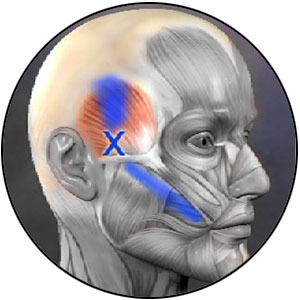
Temporalis
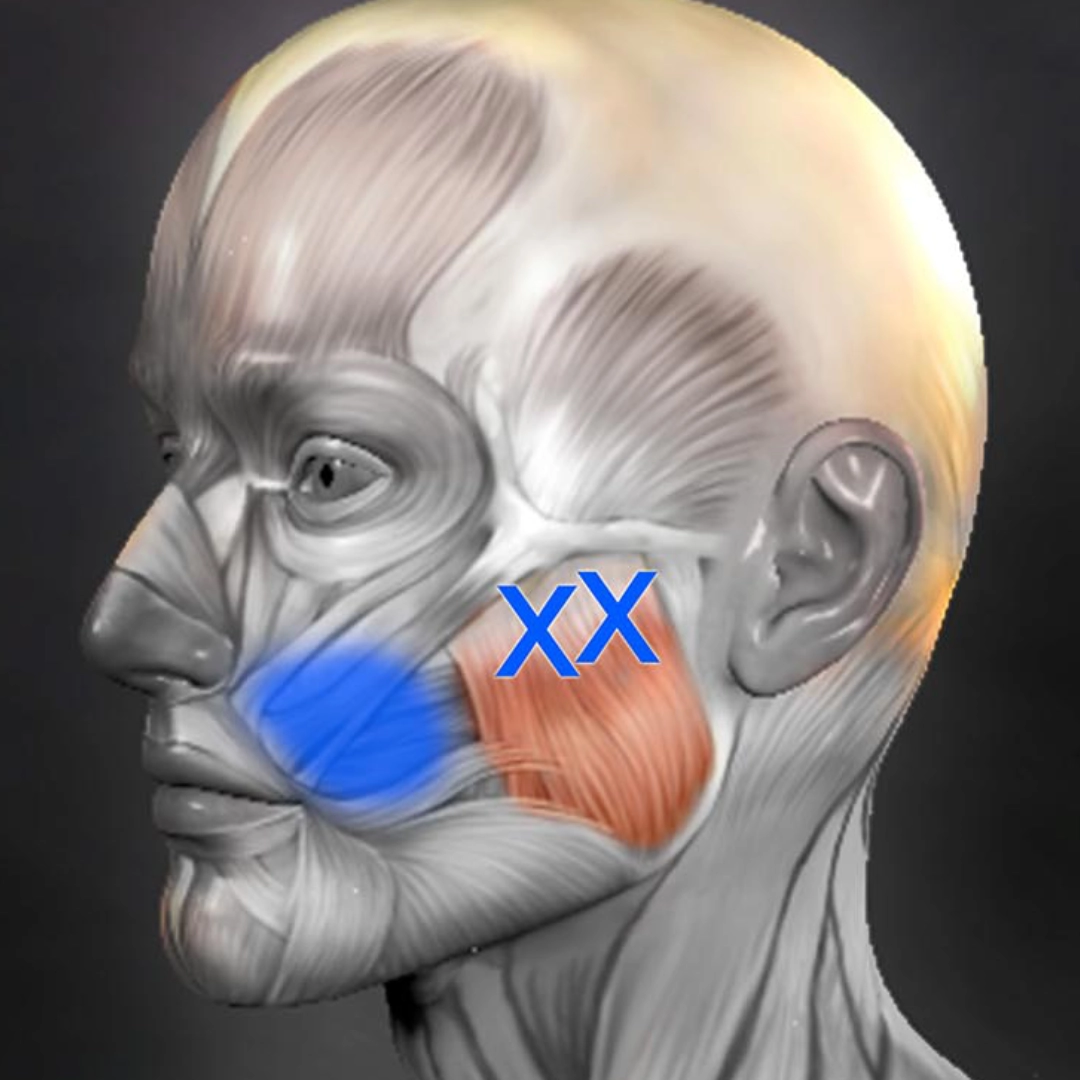
Masseter
Lamina groove
Scalenes
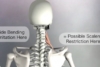
Levator scapula
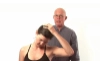
Mid-trapezius and rhomboid
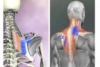
Shoulder Functional Assessment
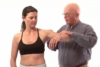
Shoulder tendons
Subscapularis
Supraspinatus
Infraspinatus
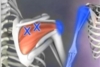
Release trigger points in the supraspinatus muscle
Teres major and minor
How to release trigger points in the teres major and minor muscles
Latissimus dorsi
How to release trigger points in the latissimus dorsi muscle.
Subclavius
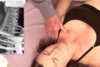
How to release the subclavius muscle
Pectoralis major and minor
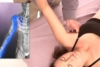
How to release the pectoralis major and minor muscle
Coracobrachialis
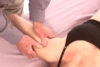
How to release the coracobrachialis muscle
Deltoid
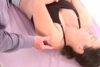
How to release the deltoid muscle.
Biceps brachii
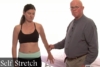
How to massage and stretch the biceps muscle and tendon attachments.
Brachialis
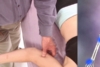
How to Massage the brachlialis
Tennis elbow
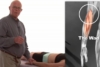
How to work on tennis elbow.
Golfers elbow
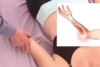
How to address golfers elbow.
Finger extensors
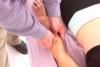
Releasing the finger extensors
Finger flexors
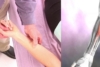
How to release the finger flexor muscles.
Finger joint capsule
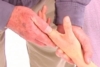
Perform cross fiber friction on the finger joint capsules.