
Master Cranial Sacral Therapy: Comprehensive Online Certification Course
Discover how cranial work can enhance your massage or bodywork practice. This comprehensive cranial sacral therapy online course includes over an hour of professionally produced video footage and a detailed 25-page manual. You will learn how to balance each of the cranial bones and the sacrum using 22 varied, clearly demonstrated techniques that can be integrated into real clinical sessions.
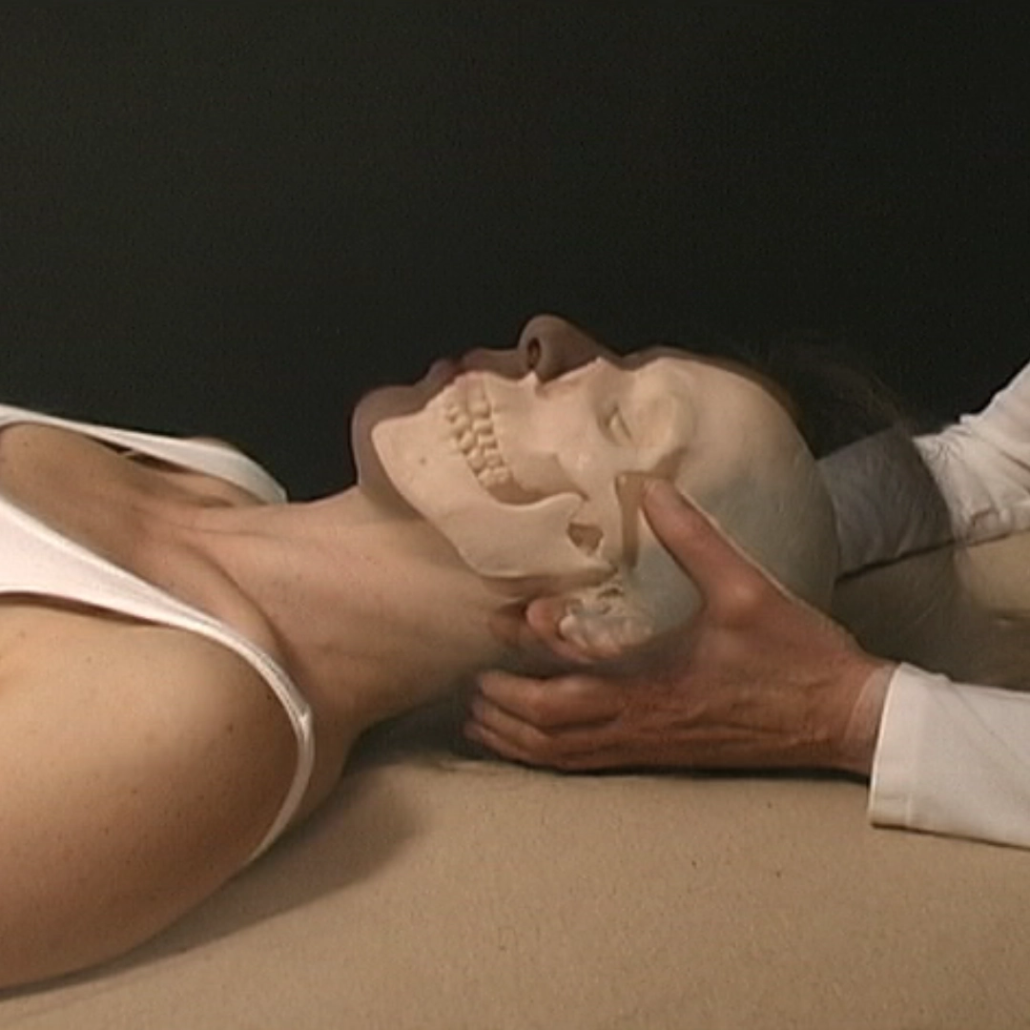
Course Overview
Divided into 13 structured lessons, this online cranial sacral therapy class guides you step-by-step through the foundations, anatomy, and hands-on application of cranial work.
The course begins with three foundational lessons covering the history of cranial therapy, essential cranial anatomy, and technique fundamentals. The following nine lessons each focus on a specific cranial bone, exploring its motion, common patterns of dysfunction, and precise therapeutic techniques. The final lesson introduces advanced topics in cranial therapy, helping you refine and deepen your understanding of this subtle yet powerful modality.
High-quality visuals and close-up demonstrations make learning cranial sacral therapy accessible, clear, and easy to follow — even for therapists new to cranial work.
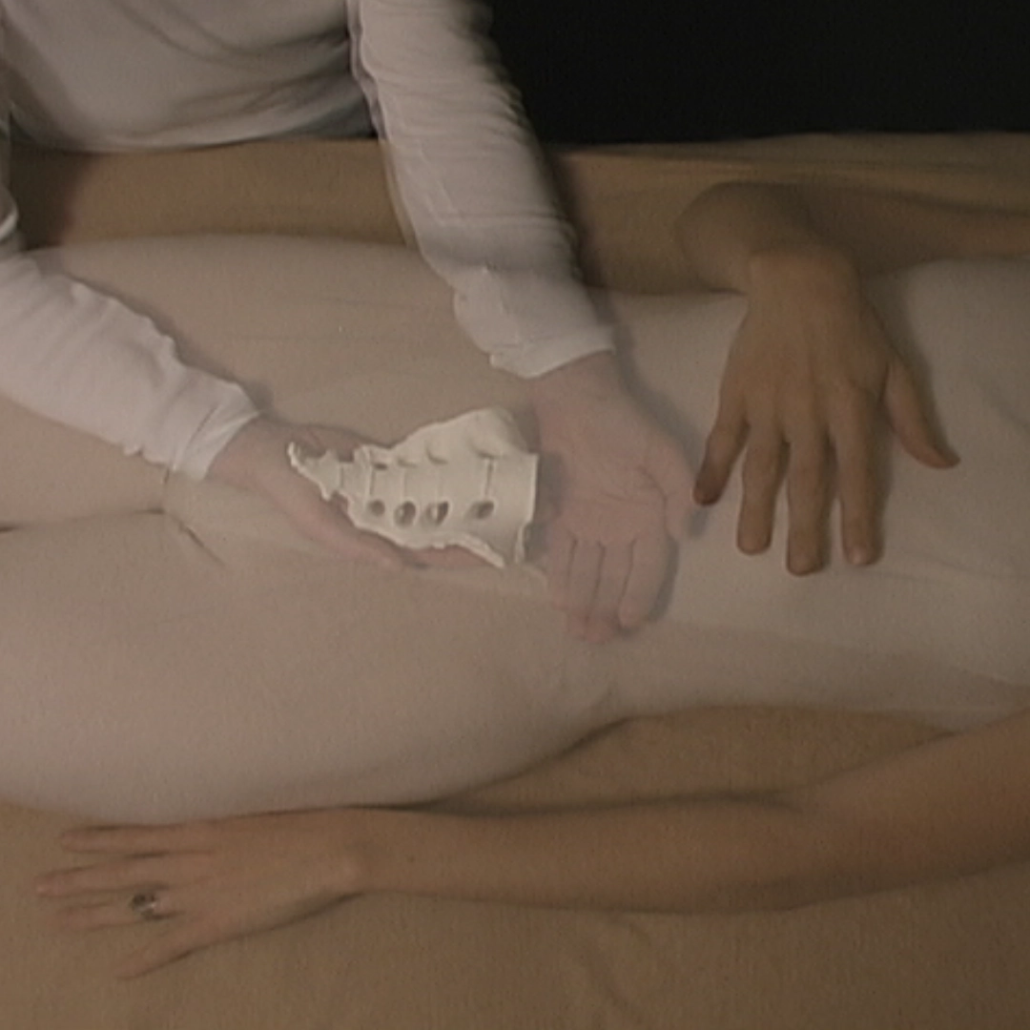
Course Details
- Format: On-demand online video course
- Video Content: Over one hour of professionally produced instruction
- Lessons: 13 structured lessons
- Techniques Covered: 22 cranial and sacral techniques
- Manual: 25-page downloadable manual
- Experience Level: Massage therapists and bodyworkers
- Access: Online access after enrollment- lifetime access.
- Certificate / CEUs: Certificate-yes, CEU-no
What You’ll Learn
- Principles and history of cranial sacral therapy
- Anatomy and motion of each cranial bone and the sacrum
- How to identify common cranial dysfunctions
- 22 practical cranial techniques with clear demonstrations
- How to safely integrate cranial work into massage sessions
- Advanced concepts to deepen your cranial therapy practice

A Professional Review for Cranial-Sacral Therapy Online
“This video is expertly made. As I have come to expect with Real Bodywork’s videos, the production quality is superb. The pictures are sharp and clear, and the instruction by Mary Sullivan is understandable, without being overly verbose or concise. This video includes at least one technique every MT can incorporate into his or her practice – even those who don’t formally practice CST. The video is an excellent value for therapists who want to explore CST for the first time, and for those who want to periodically review the material.”
Massage Magazine
Cranial Sacral Therapy Learning Hub
What Is Cranial Sacral Therapy?
A clear overview of the principles, history, and intent of cranial sacral therapy.
How Does Cranial Sacral Therapy Work?
An explanation of gentle contact, fulcrums, unwinding, and nervous system response.
What Conditions Is Cranial Sacral Therapy Used For?
Common clinical applications, including stress, headaches, jaw tension, and postural strain.
What Is the Cranial Rhythm?
A focused look at the cranial rhythm, how it is perceived, and why it matters.
Meet your Instructor: Mary Sullivan
Mary Sullivan brings over 35 years of hands-on bodywork experience to this cranial sacral therapy course. Her background includes extensive clinical practice as well as decades of teaching, with more than 20 years of instructing live classes at the Body Therapy Institute in Santa Barbara.
Mary is a Cranial Therapist, Polarity Practitioner, Licensed Acupuncturist, and Massage Therapist. She is also the instructor for our Polarity Therapy online course, where she is known for her clear, grounded teaching style and deep understanding of subtle body systems.
Lessons
Certificate & CEU Information (Cranial Sacral Therapy)
Free Preview
Please view to learn about our courses. Questions answered: How long will you have access to this course? Is it the same as the dvds? Are there CEUs included? Do I have to take a test? Can I download the content? Is my interenet connection fast enough?
Lesson 1. History and Manual Download*
To download the manual, click here.
Lesson 2. Anatomy
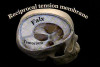
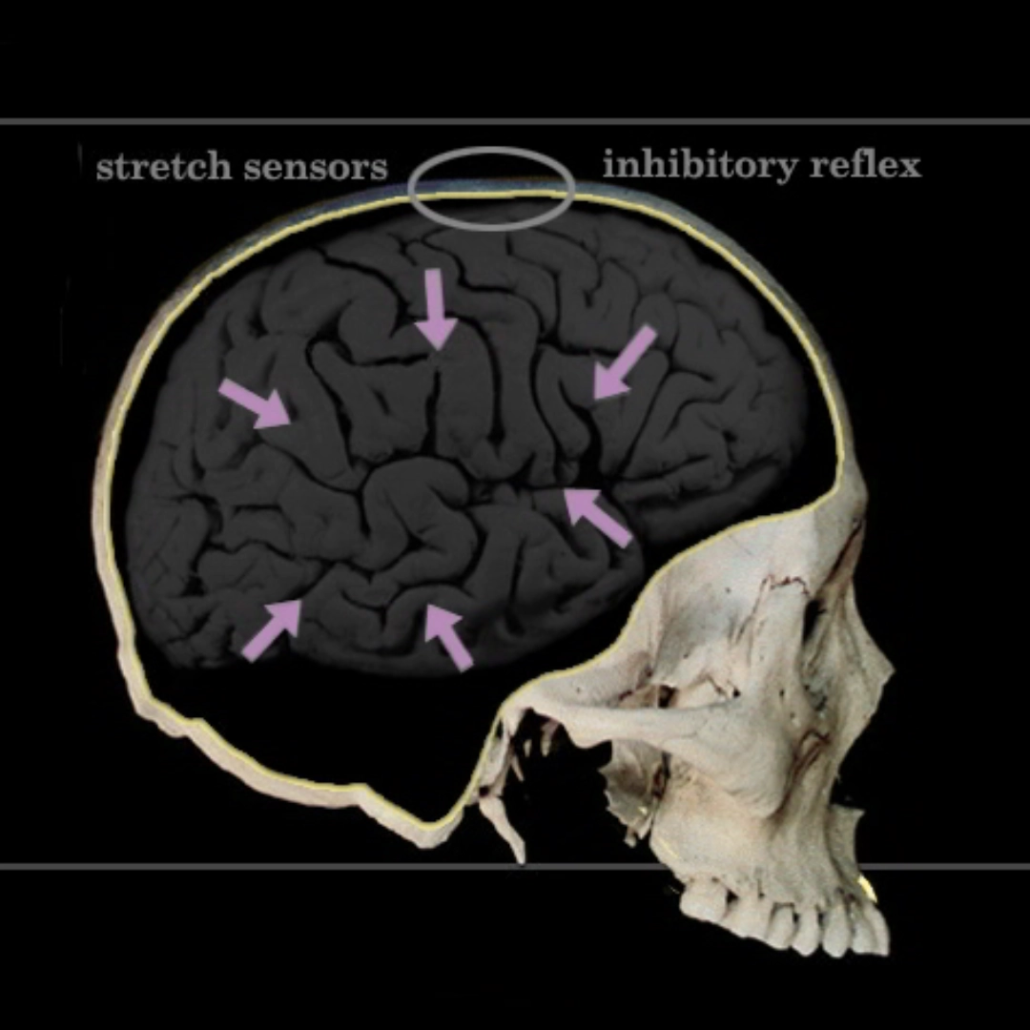
This lesson explores the anatomy of the cranial system. This includes the reciprocal tension membrane, the names and locations of each cranial bone, the structure of bone, the cranial sutures, the duramater, the dural tube, the ventricles and more.
Anatomy Quiz- Cranium
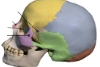
Test your knowledge of the cranium with this interactive anatomy activity designed for massage therapists and bodyworkers. Identify key bones. This activity helps build faster recognition and deeper understanding.
Lesson 3. Technique
This lesson discusses both direct and indirect technique, the correct amount of pressure, and using a fulcrum. Mary then discusses the four possible outcomes of a cranial hold- release, unwinding, still point and no change. Next Mary discusses presence and then leads an exercise to experience the work.
Lesson 4. Sacrum
This lesson shows the location, anatomy and movement of the sacrum. Then this lesson discusses how sacral restriction can cause sinusitis, migraines, back pain and more. Then 3 sacral releases are demonstrated.
Lesson 5. Occipital
This lesson shows the location, anatomy, movement pattern, and articulation of the occipital bone with other bones. Next 3 occipital techniques are demonstrated: cranial base release, 4th ventricle release, and still point induction.
Lesson 6. Sphenoid
This lesson shows the location, anatomy and movement pattern of the sphenoid, as well as it’s articulation with other bones. Then Mary discusses some possible symptoms of a stuck sphenoid which can include headaches, sinusitis, back pain, learning disabilities, tmj dysfunction and vision problems. Next 4 techniques are demonstrated: basic release, motion testing, coronal shear and Sutherland’s grip.
Lesson 7. Temporal
This lesson shows the location, anatomy and motion of the temporal bone, as well as it’s attachment to other bones and the tentorium cerebelli. Next Mary discusses the symptoms of a stuck temporal bone- vertigo, dizziness, and general ill-health. Finally Mary demonstrates two temporal bone techniques: ear pull- decompression and palming- compression.
Lesson 8. Parietals
This lesson shows the anatomy, location movement pattern of the parietal bones, and their articulation with the other bones. Then the main parietal technique is demonstrated.
Lesson 9. Frontal
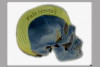
This lesson shows the location, anatomy and motion of the frontal bone, as well as it’s articulation with the surrounding bones and the relationship to the falx cerebri. Mary then shows how to perform a frontal decompression, how to balance the glabella and bregma, and finally how to perform the frontal and viscero-cranium technique.
Lesson 10. Zygoma
This lesson shows the anatomy, location and movement of the zygoma. Then Mary discusses issues that can affect the movement of the zygoma, including dental truama, injury or sinus issues. Finally Mary demonstrates the main Zygoma release, called palpation.
Lesson 11. Maxilla
This lesson shows the anatomy, location, connection and movement of the maxilla. Then Mary discusses symptoms of maxilla restriction, including eye socket headaches, cluster headaches, migraines, and sinus congestion. She then shows the maxilla technique, which is done inside the mouth wearing gloves.
Lesson 12. Mandible
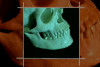
This lesson shows the location, anatomy, movement and connections of the mandible. Then Mary discusses how tension held in the mandible can contribute to headaches, respiratory inhibition and general muscular tension. She then discusses the jaw in relationship to our identity. Finally she demonstrates 3 techniques: palming, inter-oral 2 hands, and inter-oral 1 hand technique.
Lesson 13. Rhythms
This lesson discusses the basic cranial technique and the various cranial rhythms that can be felt. She discusses deep stillness and practice.